Bitsy Bat is back for another charming adventure in a picture book that centers the autistic experience!
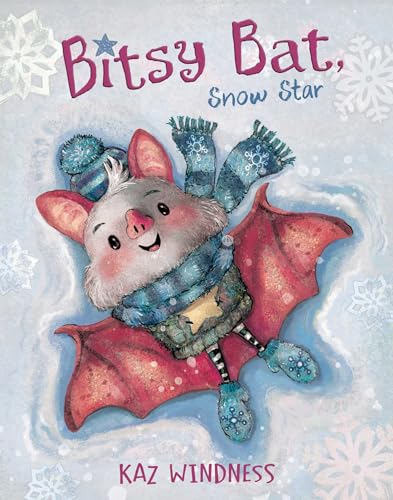 Bitsy wakes up one day to a new and exciting sight outside her family’s window. Snow has arrived in their forest! Her parents think this means that they should go into hibernation a little earlier than expected, but Bitsy begs to be allowed to attend the last day of school before winter break. After some of her classmates arrive with winter gear for her to head to school in, her parents allow her to go with them so long as she’s wrapped up warmly. Bitsy loves the snuggly clothes that her friends have brought her, and is excited to participate in all the other fun wintry activities that her friends are raring to get into.
And at first, everything seems awesome. Their teacher Mr Nibbles tells them to go ahead and spend the day having fun instead of doing lessons. Bitsy races outside… only to discover that she doesn’t actually like playing in the snow. It’s cold and wet, and the more outdoor activities she and her friends attempt together, the more overwhelmed and upset she becomes. She wants to take a break, but how does she let her friends know that she doesn’t like doing these things that they so obviously love? Worse, will they think less of her because she doesn’t love playing in the snow as much as they do?



 Al Singh
 Doug Merrill
 Doreen Sheridan
 Emily Lauer
 John Pitzel
 Lars N. Goldschlager
 Laura Eilers
 Professor X
 Robert Maedgen
 Sylvere Ap Leanan
 The Shire